When your septic tank gets full, it loses its ability to separate solid waste from wastewater. The resulting untreated effluent can flow into the drain field and the ground water supply, posing a health hazard.
Septic tank pumping prevents this from happening by removing heavy solid waste and preventing clogs and sewage backups. Regular septic tank pumping also protects your property investment and helps preserve the environment. Visit https://septic-guys.com/ to learn more.
When wastewater leaves your home, it travels to the septic tank, where it separates into three layers. Solid waste settles to the bottom as sludge, while oils and grease float to the top as scum. The tank is made from a durable material, usually concrete, fiberglass, or polyethylene, and is installed 6-10 feet from your home. The septic tank is watertight, preventing untreated sewage from seeping into the ground. The septic tank also has a t-shaped outlet that keeps sludge and scum from flowing into the drain field, clogging the system and potentially contaminating groundwater.
Septic tank pumping removes the accumulated sludge and scum from your septic tank, restoring its capacity to treat wastewater effectively. The pumping process is also a good time to inspect the condition of your septic tank and other components, making repairs as needed.
Regular septic tank pumping prevents sludge and scum from migrating to your drain field, reducing the frequency of necessary repairs and maintenance. When solid waste is not removed, it can overflow into your house and yard, causing clogs and unpleasant odors. Leaving it to build up can even damage your drain field, leading to failure and expensive replacement.
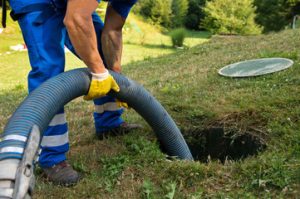
During the pumping process, a service technician locates your septic tank and exposes the lid to access its interior. Then, they connect a large hose to a truck that functions like a giant vacuum cleaner and extracts its contents. The technician may agitate the contents as well, breaking up any solids that have accumulated to speed up the removal process. Once the septic tank is empty, the service technician will replace it with a new lid and ensure that there are no cracks or other damages to the system.
Preventing Clogs and Blockages
Clogged drains and sewage backups are common problems that threaten the safety and health of your family. These problems also cost you a lot of money in plumbing repairs. Investing in routine maintenance prevents clogs and blockages and keeps your system functioning properly.
On average, a septic tank should be pumped every 3-5 years. However, the exact frequency depends on the size of your tank and household usage. For instance, a large family or heavy water usage requires more frequent pumping than a single-person household. Moreover, you may need to add a septic tank filter to reduce the risk of solid waste clogs.
When solids clog the septic tank or the drain field, they enter groundwater and contaminate natural water sources. This poses a significant health hazard to people and animals and affects the environment, resulting in costly environmental damage. Regular septic tank pumping prevents solids from accumulating, allowing the septic system to function effectively.
Keeping a clean and well-functioning septic system extends its lifespan and helps you avoid expensive repair and replacement costs. Additionally, it enhances your property’s value and helps keep your home sanitary.
In addition to regular septic tank pumping, there are many other steps you can take to prevent clogs and blockages. For example, avoid flushing non-biodegradable materials such as baby wipes, coffee grounds, and cat litter. Also, do not plant trees or shrubs near your septic tank or drain field, as their roots can invade and cause blockages.
Ensure that you have a professional plumber inspect your septic system and make necessary repairs promptly. A timely inspection and proactive repair will save you a lot of money in the long run and minimize the impact on your septic system.
Preventing Bad Odors
The odors generated by the decomposition of solid waste in your septic tank can be particularly foul, especially when you’re dealing with a full or overflowing system. Regular pumping services prevent the build-up of sludge and scum layers that produce these odors. This helps to eliminate septic tank odors and prevents major plumbing emergencies such as clogged drains or sewer backups.
A septic tank that is not pumped on a regular basis will begin to overflow, and this can cause sewage to back up into the home. This can also lead to clogged drains and fixtures in the home. In addition, a septic tank that is not pumped can cause an influx of water into the drainage field and leach line. This can also lead to bad odors in the yard and home.
One of the most common causes of bad septic tank odors is when the utility hole lid does not fit properly. This is a very common issue with older tanks and it can often be easily fixed. It is important to always check the condition of these caps after mowing and to fix them immediately if they are misaligned.
Another cause of septic tank odors is that the system is overloaded or that it does not vent properly. It is important to ensure that the system is not overloaded and to keep track of how much water is used in the household. In addition, it is a good idea to install wood chip biofilters or carbon filters in the venting to help control odors.
A professional septic inspection will help to identify issues that can be addressed quickly to prevent septic tank odors. A thorough inspection can include a visual inspection of the tank and its components as well as a test of the drains to determine how well they are functioning.
Preventing Environmental Hazards
Septic tanks are designed to treat household wastewater, separating solid waste from the treated effluent. When the tank becomes full of accumulated solids, it loses its ability to effectively separate wastewater and contaminants. This means that the wastewater can leak out of the system and into the soil, posing a risk to water sources. Pumping the septic tank regularly prevents this problem and protects homeowners from environmental contamination.
Septic systems offer many benefits to property owners. They provide flexibility in property development and enable homes to be built in areas where sewer lines are not available or cost-prohibitive. Septic tanks also promote groundwater recharge by treating waste on-site, reducing strain on local water supplies. However, the system requires proper maintenance to ensure that it is functioning properly and safely.
The most common cause of septic tank problems is the accumulation of solids. These are typically the result of a homeowner’s water usage habits. For example, people who use more water for showers, laundry, and dishwashing are more likely to need frequent septic tank pumping. Other factors that can lead to a buildup of solids include the use of harsh cleaning products, kitty litter, and other solid waste from the garbage grinder.
Getting the septic tank pumped on a regular basis is one of the easiest and most effective ways to keep solids from accumulating. In addition, homeowners can reduce the amount of wastewater they use by fixing leaky faucets and appliances, limiting how much detergent is used during washing, and spreading out laundry days to avoid overtaxing the system. Taking these steps can help to prevent clogs, blockages, and costly repairs while improving overall system performance and longevity.
Preventing System Failure
The septic system is a hardworking underground hero that quietly manages household waste day in and day out. But if it is neglected, it can lead to system failure and backups that can cause serious health, financial and environmental concerns for homeowners. Regular septic tank pumping helps prevent this by keeping septic tanks at a safe and healthy operating level.
When septic systems are filled with solid waste, they can become overburdened and experience stress, which increases the risk of clogs and system damage. Proper septic tank pumping and consistent maintenance with experienced septic professionals help avoid this.
In addition to reducing septic system stress, consistent maintenance also helps protect property values. A poorly-functioning septic system can affect resale value and deter potential homebuyers. Regular septic tank pumping, proper waste disposal practices, and water conservation help ensure that the septic system functions properly for years to come.
Pumps that are overburdened with waste can begin to operate inefficiently, which causes waste to accumulate more quickly. This can contribute to the clogging of the drainfield and other issues that could lead to expensive repairs or system replacement. Regular septic tank pumping prevents this by keeping waste levels low and ensuring that the drainfield remains free of solids.
The frequency of septic tank pumping depends on household size, usage patterns and the type of waste disposed of. For example, a bustling family with heavy water usage and a full-sized dishwasher will have to have the tank pumped more often than a quiet home with few occupants. Fortunately, the use of water-efficient appliances and a laundry schedule that divides washday into smaller loads can reduce septic tank pumping needs.