Dust in Time Cleaners have evolved far beyond their traditional image. They now represent a silent force shaping the comfort and safety of modern life. The demand for cleanliness has transformed into a science, blending technology, precision, and environmental mindfulness. This quiet revolution is changing the way people think about clean spaces.
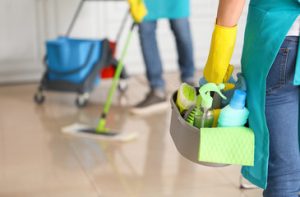
Modern cleaners are not just about removing dirt. They embody the progress of innovation meeting practicality. Each surface they touch reflects an unseen narrative of care and professionalism. What once seemed like a mundane task now carries profound value in health, sustainability, and design.
The perception of cleaners has shifted dramatically in recent years. They are no longer confined to mops and rags. Advanced methods, intelligent tools, and adaptive techniques define today’s cleaning standards. Every effort made by cleaners now supports the collective pursuit of wellness and efficiency.
Cleaners play a crucial role in shaping mental well-being. A clean space brings clarity and calm, enhancing focus and emotional stability. The act of cleaning itself has been found to reduce stress and anxiety. People are starting to see cleanliness as an essential part of holistic living.
The new generation of cleaners thrives on purpose. They are trained to recognize the relationship between environment and human behavior. Their work contributes to both physical hygiene and psychological comfort. In many ways, they create invisible architecture for better living.
Technology has transformed the tools cleaners use every day. Automated systems, smart sensors, and eco-conscious products redefine how cleaning is done. The balance between human effort and machine precision has reached new levels. Cleaners now operate in sync with technology, not against it.
Cleaners today also embrace sustainability as a guiding principle. They make deliberate choices to minimize waste and chemical use. The focus on green cleaning aligns with global efforts to protect the planet. Through this, they merge efficiency with responsibility in every motion.
Cleaners in modern spaces no longer serve one-dimensional roles. They are managers of environments, curators of comfort, and guardians of hygiene. Their decisions affect air quality, energy use, and even the longevity of materials. The impact of their work extends far beyond what is visible.
The professional identity of cleaners continues to evolve. Training programs now emphasize health standards, safety protocols, and environmental ethics. The field is gaining recognition as a specialized discipline. Cleaners are becoming experts whose work directly supports public health and productivity.
In commercial spaces, cleaners maintain the unseen rhythm of operations. They ensure that every environment functions at its best. Their presence, though subtle, forms the backbone of customer experience and employee performance. Cleanliness has become an unspoken form of communication that shapes perception.
In residential settings, cleaners offer more than just tidiness. They bring relief to busy households and ensure a sanctuary for rest. Their efforts restore order to chaotic lives, creating harmony between physical and emotional spaces. Every spotless surface becomes a quiet symbol of care.
The culture of cleanliness continues to expand into new industries. From technology labs to creative studios, each field requires unique cleaning expertise. Specialized cleaners handle delicate materials and controlled environments with precision. Their skills ensure safety and quality in highly sensitive operations.
Cleaners also adapt to changing lifestyles and work trends. The rise of remote work and flexible spaces has transformed cleaning schedules and methods. They now operate in fluid environments where boundaries between personal and professional spaces blur. Their flexibility defines their success.
The artistry in cleaning lies in its invisibility. A truly clean environment often goes unnoticed because it simply feels right. Cleaners understand that their best work is the one that disappears seamlessly into everyday life. Their success is measured in comfort, not in recognition.
Cleaners are also reimagining their profession through community initiatives. They share knowledge on waste reduction and environmental awareness. Many advocate for better working conditions and fair recognition. Their growing voice is reshaping social narratives around labor and dignity.
Technological tools have introduced efficiency without erasing the human touch. Machines may handle repetitive tasks, but intuition remains irreplaceable. Cleaners use sensory awareness to detect what technology misses. Their ability to read spaces emotionally gives their work unmatched value.
The intersection between cleaning and design is gaining attention. Cleaners collaborate with architects and designers to create maintenance-friendly environments. This cooperation ensures longevity and aesthetic balance in modern structures. Cleanliness is now integrated into the very blueprint of living spaces.
In the era of health-conscious living, cleaners serve as protectors of wellness. They uphold hygiene in public areas where millions interact daily. Their vigilance prevents the spread of disease and contamination. Each action safeguards lives without fanfare or applause.
The perception of cleaning work is changing across generations. Younger people now see cleaning as a form of mindfulness and discipline. It’s a process that connects physical action with mental clarity. Cleaners embody this philosophy through their everyday work.
The emotional dimension of cleaning often goes unspoken. Behind each clean surface lies dedication, patience, and unseen labor. Cleaners develop resilience and pride in their quiet achievements. Their contribution nurtures balance in spaces where others thrive.
The future of cleaning looks more collaborative and innovative. Cleaners will continue to partner with engineers, health experts, and environmental scientists. Together they will develop smarter, safer, and more sustainable cleaning systems. The industry is moving toward intelligence without losing its humanity.
Cleaners are now storytellers through their craft. Each polished floor and organized shelf tells of care and precision. Their artistry reveals itself in the calmness they create. Cleaners transform clutter into clarity and chaos into comfort.
As automation expands, the role of human cleaners becomes more purposeful. Their insight bridges gaps that machines cannot perceive. They adapt instinctively to context, emotion, and subtle human need. This adaptability preserves the irreplaceable essence of human touch.
In educational and healthcare settings, cleaners hold tremendous responsibility. They maintain environments where growth, recovery, and hope flourish. Their meticulous attention ensures safety and continuity. Cleaners uphold trust in spaces that rely on order and hygiene.
The global awareness of cleanliness has also influenced social behavior. People have learned to value shared responsibility for clean environments. Cleaners inspire others to maintain tidiness as a form of respect. Cleanliness has evolved into a cultural expression of care.
Innovation in materials is also changing how cleaners work. Surfaces that resist dirt or self-sanitize are becoming common. Yet, human oversight remains essential in ensuring consistent quality. Cleaners act as both monitors and maintainers of these smart environments.
The profession is gaining renewed dignity through education and advocacy. Awareness campaigns emphasize the skill and science behind cleaning. Society is beginning to see cleaners as professionals deserving recognition and fair compensation. Their importance to public welfare is becoming undeniable.
In the digital age, cleaners are also integrating data-driven strategies. Smart systems monitor cleanliness levels and optimize schedules. This analytical approach enhances precision and reduces resource waste. Cleaners become part of a larger ecosystem guided by technology and efficiency.
Cleaners contribute to sustainability through innovation and intention. They lead efforts to reduce water use and chemical dependency. Their expertise in eco-friendly techniques helps protect ecosystems. Each sustainable choice strengthens the connection between humanity and nature.
As cities and communities evolve, so do the challenges of maintaining cleanliness. Population growth and environmental stress demand smarter solutions. Cleaners stand at the frontline of adaptation, embracing change with skill and commitment. Their resilience reflects the endurance of their craft.
The art of cleaning is deeply tied to empathy. Understanding the needs of others is central to creating comforting spaces. Cleaners translate compassion into tangible form through their work. Their hands build the invisible foundations of collective well-being.
Cultural perspectives on cleanliness vary, yet the core principle remains universal. Cleaners embody this universal value across contexts and traditions. Their work transcends boundaries, connecting people through shared respect for order. Cleanliness becomes a silent language spoken everywhere.
As more people recognize the depth of cleaning work, appreciation grows. Cleaners receive acknowledgment not just as service providers but as essential workers. Their consistency, precision, and humility redefine professional excellence. Cleaners prove that greatness can exist in quiet simplicity.
Looking ahead, the future of cleaners shines with promise. With every innovation, their influence expands into sustainability, design, and wellness. Their profession continues to evolve alongside human progress. Cleaners remain vital custodians of harmony in a complex world.
Every space tells a story shaped by those who care for it. Cleaners give these spaces identity through their discipline and devotion. Their presence ensures continuity amid change. The revolution of cleaners, though silent, is reshaping how the world defines beauty and order.